Published · Updated
The quick answer
- A local laser clinic typically charges $300–$1,200+ for a full course of 3–4 sessions, usually not covered by insurance.
- Laser needs no daily effort from you but the damaged nail still takes months to grow out afterward.
- At-home light therapy costs a fraction of clinic pricing but puts the daily 90-second routine on you.
- Ask any clinic for the total course price, not the per-session headline figure, before booking.
What clinics typically charge
Podiatry clinics generally quote per session or per course. A full course of three to four sessions commonly lands somewhere between several hundred and well over a thousand dollars, and prices vary widely by city, clinic reputation and the type of laser used. Some clinics quote a low per-session number that looks appealing until you multiply it by the recommended number of visits.
Always ask for the total course price rather than the headline per-session figure, and ask what happens if the nail has not visibly improved after the course — some clinics offer a discounted follow-up round, others do not.
Will insurance cover it?
Usually not. Most insurers and Medicare classify laser treatment for nail fungus as cosmetic, so it is typically paid entirely out of pocket. Some clinics offer payment plans or bundle nail debridement into the price to soften the number. Check with your own insurer directly rather than relying on a clinic's reassurance that most plans cover this
Questions worth asking before you pay
- What is the total cost for the full recommended course, including any follow-ups?
- How many sessions, how far apart, and what happens if the nail has not improved after the course?
- Is nail debridement included in the price or charged separately per visit?
- Is there any refund or top-up policy if there is no visible change after a year?
- Will you take a nail clipping to confirm it is actually fungus before starting treatment?
How the laser session itself works
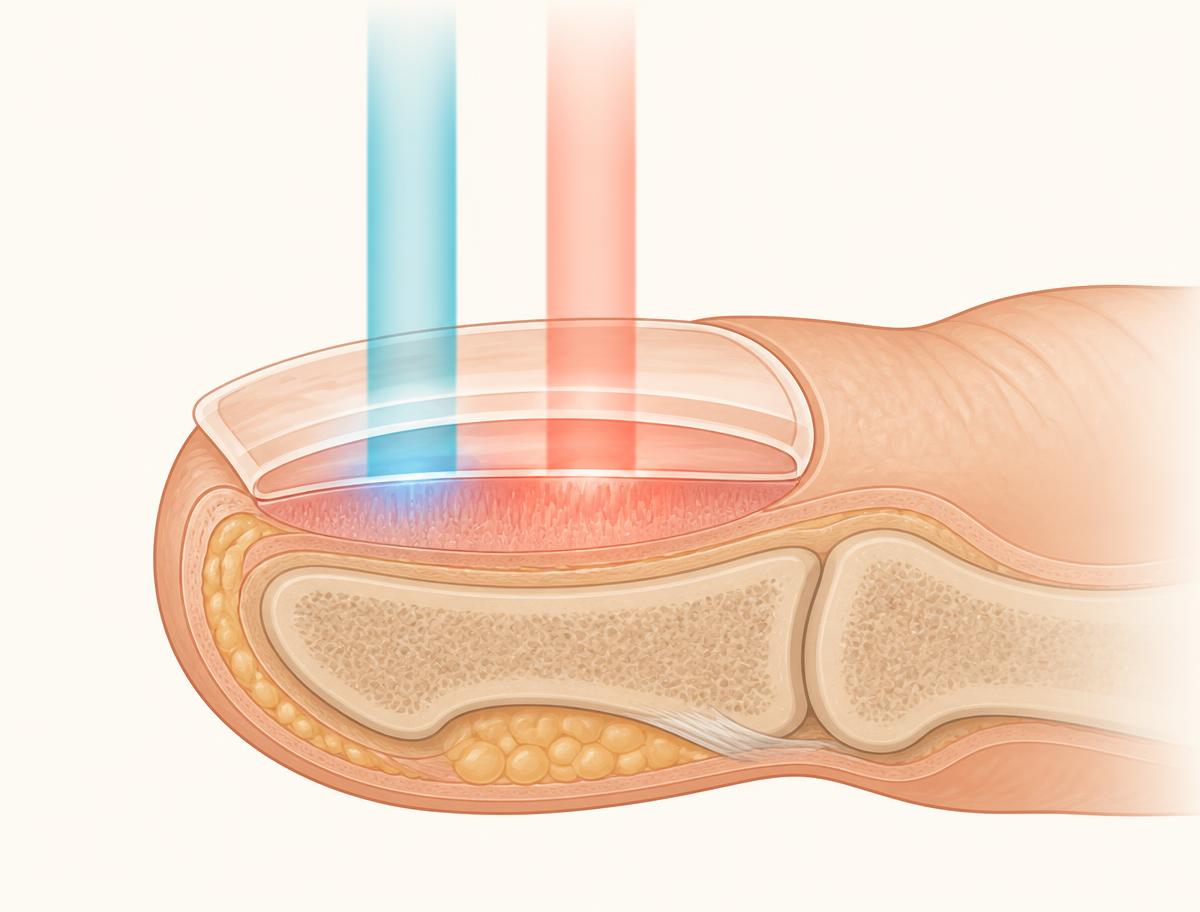
A typical session takes ten to thirty minutes per foot. The laser passes over the nail and surrounding tissue; most people describe mild warmth or a brief pinprick sensation rather than significant pain. There is no downtime, so you can walk out and go about your day immediately.
As with every other treatment on this page, a laser session does not instantly change the appearance of the nail. It aims to reduce the fungal load enough that healthy nail growing out afterward is clear rather than infected, which still takes the usual several months of growth to become visible.
Before you book a clinic
A one-off $34.99–$49.99 device versus a clinic course. 30-day money-back guarantee if it is not for you.
- From $34.99 per device
- Free tracked shipping
- 30-day money-back
“I have been using FungaBeam since January. My case has cleared up and my nails look great.” — Patricia L., Ohio, US
Clinic laser versus at-home light therapy
A clinic course is supervised and requires almost nothing of you between appointments, which suits people who would rather pay for consistency than rely on their own daily discipline. An at-home device costs a fraction as much, needs no travel and no appointments, and puts the daily work on you instead. Neither repairs damaged nail instantly — both are trying to give healthy new growth a fair chance.
| Factor | In-clinic laser | At-home light therapy |
|---|---|---|
| Typical cost | $300–$1,200+ per course | $34.99–$49.99 one-off |
| Appointments | 3–4 visits, travel required | None |
| Daily effort | None between visits | 90 seconds daily |
| Insurance | Rarely covered | Not an insurance item |
| Time to visible new growth | Several months after course | 4–8 weeks for first signs |
Who genuinely benefits from a clinic route
People with several severely thickened nails, those who have already tried and abandoned home routines because they could not stay consistent, and those for whom cost is simply not the limiting factor tend to get the most out of a supervised clinic course. It also suits people who want a clinician regularly checking the nail's progress in person rather than judging it themselves from photos.
Who is better served by starting at home
If cost or travel time is the actual barrier to treating this at all, an at-home device is a reasonable place to start, and a 30-day money-back guarantee limits the downside if the daily routine turns out not to suit you. It is also a sensible option for people wanting to try something before committing to a four-figure clinic course, since it costs a fraction as much and can be layered with nail filing and footwear hygiene from day one.
What people get wrong when clinic-shopping
The most common mistake is comparing only the advertised per-session price across clinics without asking how many sessions each one actually recommends for a case like yours — a lower per-session price with more recommended sessions can end up costlier overall. The second is assuming a laser course guarantees a cure; like every treatment discussed here, outcomes vary by case severity and how thoroughly footwear and hygiene factors are addressed at the same time.
Frequently asked questions
Ready to start treating the nail bed tonight?
If the clinic quote gave you pause, an at-home device is a reasonable place to start, with a 30-day guarantee limiting the downside if it is not for you.
- From $34.99 per device
- Free tracked shipping
- 30-day money-back
“I have been using FungaBeam since January. My case has cleared up and my nails look great.” — Patricia L., Ohio, US
Keep reading
- Does laser work?What the evidence supports, and how clinic lasers differ from at-home light devices.
- FungaBeam reviewWhat the device is, how it is used, and an honest account of who it suits.
- Best treatment comparedEvery option ranked by evidence, cost, effort and speed.
- Nail fungus treatmentThe full treatment landscape, plus the home care that decides whether it returns.
Sources
This page is general information, not medical advice. FungaBeam is a consumer wellness device and is not intended to diagnose, treat, cure or prevent any disease. Speak to a doctor or podiatrist about your own situation, particularly if you have diabetes, circulation problems or worsening symptoms.